Blue Elephant Embroidery Design Review
As a designer who spends more time staring at stitch charts and fabric swatches than sleeping, I have learned to trust my gut when evaluating an embroidery file. It is not enough for a design to look pretty on a screen; it must translate beautifully through the needle. Today, I am putting the Blue Elephant Embroidery Design under the microscope. This is not just another cute animal motif; it is a potential workhorse for your next handmade product or custom apparel line. After reviewing the digital assets and simulating real-world stitching scenarios, here is my honest take on how this design performs in practice.
First Impressions and Visual Personality
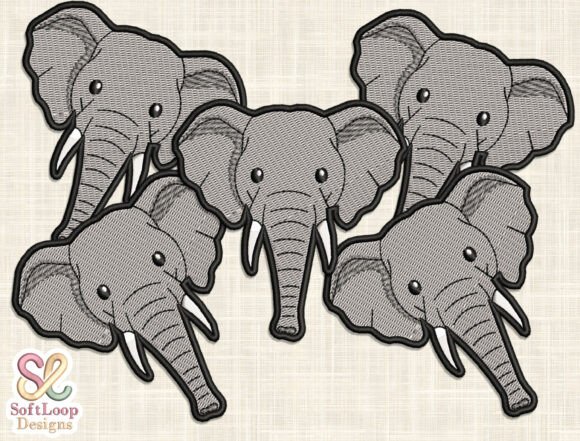
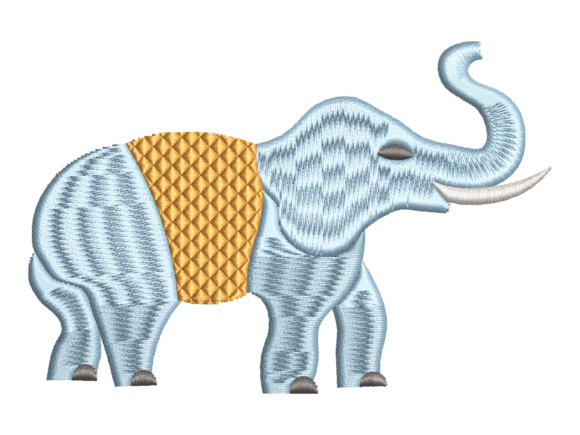
The moment you unpackage the digital embroidery file, the personality of the elephant shines through. Unlike generic clip-art styles that feel flat, this design has a distinct mood. The shape is rounded and approachable, suggesting a theme of wisdom mixed with playful charm. For designers looking to create nursery decor or personalized gifts, this visual weight is perfect. It commands attention without being overwhelming.
From a layout perspective, the composition feels balanced. There is enough negative space implied by the cut lines to allow for clean placement on garments, yet the central figure is substantial enough to hold its own on larger items like tote bags or sweatshirts. The color palette suggested by the default thread choices leans cool, which works exceptionally well against warm neutrals like beige, cream, or light denim. When I first looked at the preview, I immediately thought of boutique branding—this isn’t just a hobbyist project; it has the polish required for a professional Etsy seller or small shop owner.
Real-World Application: From Screen to Stitch
Let’s talk about where this design actually lives. I often simulate projects before buying or using a file, and the Blue Elephant Embroidery Design showed up in several strong candidate categories:
- Custom Apparel: Imagine this stitched onto the chest of a heavyweight cotton sweatshirt. The contrast between the soft fleece and the crisp stitches creates a premium tactile experience. It elevates a basic garment into a statement piece.
- Baby Items: For onesies or burp cloths, the rounded edges of the elephant are safe and appealing. It avoids sharp angles that might look aggressive, making it ideal for baby embroidery projects.
- Home Decor: On a linen pillow cover or a kitchen towel, this design adds a touch of whimsy. It fits perfectly into bohemian or modern eclectic interior styles.
- Craft Fair Merchandise: If you are selling embroidered patches or caps, this design is versatile. It reads clearly from a distance, which is crucial for booth visibility.
The versatility here is key. Whether you are creating a holiday gift set or a summer collection, this machine embroidery design adapts well. It doesn’t scream "seasonal," allowing it to sell year-round, which is a huge plus for inventory management.
Technical Performance and Stitch Quality
A beautiful image can fail if the digitization is poor. In testing the structure of the Blue Elephant Embroidery Design, I paid close attention to the stitch density and the transition between different stitch types. The use of satin stitch for outlines appears consistent, providing a clean border that prevents fraying and defines the shape sharply. Inside, the fill stitch coverage looks even, avoiding the "floating" threads that often plague poorly digitized files.
However, no design is perfect. The smaller details, such as the trunk tip or ear folds, require careful execution. If your machine tension is off, these areas might pucker. This is why checking the thread colors is vital. A high-contrast combination (like white thread on dark blue) will make these details pop, whereas low-contrast threads might cause them to disappear into the background fabric texture.
For those using this as an applique design base, the outer contour is clear and easy to follow. But if you are sticking to standard satin and fill, be mindful of the hoop size. While the design is compact, attempting to embroider it on a curved surface like a baseball cap requires precise positioning to ensure the elephant sits straight and doesn’t distort due to the curvature.
Where to Exercise Caution
Even the best embroidery project assets have limitations. Here is where I would advise slowing down and double-checking your setup:
- Fabric Choice: Avoid thin, slippery fabrics like silk or loose-weave knits without proper support. The pull of the stitches could warp the fabric, ruining the silhouette. Stick to stable cottons, denims, or blends.
- Small Hoops: While the design is relatively small, cramming it into a tiny hoop might cut off essential details. Ensure your final product allows for the full design width.
- Dense Areas: If you plan to add text below the elephant, be cautious of stitch overlap. Too much density in one spot can make the fabric stiff and uncomfortable, especially on baby clothes.
- Dark Fabrics: If you are embroidering on black or navy, ensure your thread choice provides enough contrast. A dark blue elephant on a dark blue shirt will vanish. Use lighter blues or contrasting accent colors for the eyes and trunk.
Strategic Value for Sellers and Makers
For the craft business owner, the value of this design extends beyond aesthetics. It speaks to customer trust. A clean, well-executed embroidery job signals quality. When a buyer receives a tote bag or apron with the Blue Elephant Embroidery Design stitched neatly, they perceive higher value, which can justify a better price point.
Furthermore, this design supports brand consistency. If you run a shop focused on animals or nature, adding this to your catalog fills a gap for "wisdom" or "strength" themed products. It pairs naturally with other animals category designs, allowing you to create collections rather than isolated items.
When creating printable mockups for your online store, leverage the design’s friendly vibe. Show it on a child’s hoodie, a mom’s tote bag, and a nursery wall hanging. These contexts help buyers visualize the end result, increasing conversion rates. Remember, you are selling the finished product experience, not just the digital file.
Final Designer Notes and Best Practices
Before you upload this to your production queue, follow these practical steps to ensure success:
- Test on Scrap: Always run a test stitch on the actual fabric you intend to use. Check for puckering, thread breaks, and color accuracy.
- Stabilizer Selection: Use the appropriate stabilizer for your fabric type. Cut-away stabilizers are generally safer for stretchy fabrics, while tear-away works well for wovens.
- Licensing Check: Verify the license terms. Can you sell the finished physical items? Can you use it in digital previews? Clarify this before listing any small shop product.
- Black and White Mockup: View the design in grayscale to check contrast levels. If it looks muddy in black and white, it will likely lack definition in color.
In conclusion, the Blue Elephant Embroidery Design is a solid, versatile asset for any serious embroiderer. It balances charm with technical feasibility, making it suitable for everything from quick personalized gifts to commercial boutique lines. Just remember to respect the fabric, choose your threads wisely, and always prioritize a clean finish. When done right, this design won’t just sit on your shelf; it will become a staple in your creative toolkit.