Cute Summer Duck Embroidery Design File Review
As an embroidery designer who has spent years translating digital concepts into tactile, stitched reality, I approach every new file with a mix of excitement and skepticism. The market is flooded with designs, but few possess that specific "it" factor that makes a customer stop scrolling on Etsy or add an item to their cart at a craft fair. Today, I am putting the Cute Summer Duck Embroidery Design File through its paces. This isn't just about whether the code stitches correctly; it is about whether this design can carry the emotional weight of a meaningful gift in the real world.
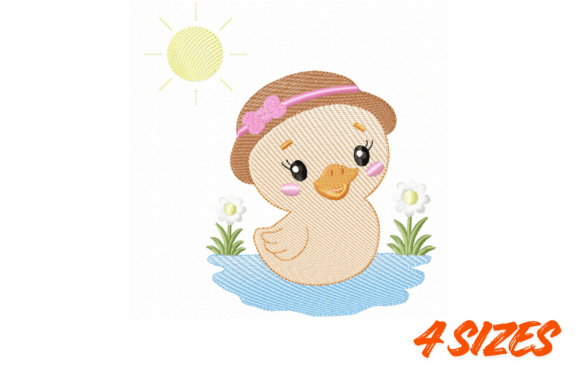
I recently received a request from a small business owner who wanted to create a cohesive line of summer-themed baby gifts. She needed something that felt fresh, seasonal, and undeniably sweet without being overly generic. Enter the Cute Summer Duck Embroidery Design File. Featuring a sweet duckling adorned with a bow hat, surrounded by sunshine motifs, delicate flowers, and subtle water details, this design immediately caught my eye. But does it hold up when transferred to fabric? Let’s dive into the practicalities of using this machine embroidery design for personalized gift products.
First Impressions: Mood and Visual Appeal
The first thing you notice about this design is its mood. It radiates warmth and playfulness. In the world of handmade products, emotion is currency. A design that evokes a feeling of sunny afternoons and gentle breezes has a higher likelihood of connecting with buyers than a static, geometric pattern. The inclusion of the bow hat adds a touch of character, transforming the duck from a simple animal illustration into a personality-driven motif. This is crucial for personalized gift items, where the buyer wants to feel they are gifting a unique piece of art rather than a mass-produced commodity.
The detail level is impressive for a design intended for various applications. The sunshine and flower elements provide excellent framing for the central duckling, allowing for creative placement on different products. Whether placed centrally on a pillow cover or offset on a blanket embroidery project, the composition balances negative space with intricate stitching. It feels modern yet classic, striking a balance that appeals to both millennial parents and grandparents looking for traditional nursery decor.
Product Applications and Market Potential
When planning a product line around a Farm Animals theme within the broader Embroidery category, versatility is key. I tested how this design translates across several high-demand categories.
- Baby Gifts and Nursery Decor: This is the primary target audience. The soft colors and gentle imagery make it perfect for baby embroidery projects. Imagine this stitched onto a muslin swaddle, a hooded towel, or a crib sheet. The bow hat detail adds a layer of sophistication that elevates the item from basic baby gear to a keepsake quality piece.
- Kitchen and Home Textiles: Don’t overlook the potential for home goods. An embroidered towel featuring this duckling brings a cheerful touch to a kitchen counter. Similarly, a throw pillow cover can become a statement piece in a child’s room or a sunroom. The design’s horizontal spread works well on standard 18x18 inch pillow inserts.
- Wedding and Event Keepsakes: While seemingly unrelated to weddings, summer-themed items are popular for bridal showers and baby showers alike. Custom tote bags or aprons with this design can serve as memorable favors. For a wedding gift context, think of it as part of a "new parents" gift basket, adding a playful element to otherwise serious gifts.
- Etsy Seller Inventory: For the Etsy seller or small shop product creator, this design offers a low-risk, high-reward addition to inventory. It is seasonal enough to drive summer traffic but cute enough to remain relevant year-round if marketed as a general "summer friend" theme.
Strategic Considerations and Fabric Limitations
While the design is charming, no professional designer relies solely on aesthetics. We must consider technical execution. There are specific scenarios where this embroidery file requires careful handling to ensure the finished product meets customer expectations.
Small Lettering and Delicate Details: If you plan to add names or dates alongside the duckling, be cautious. The design includes fine lines in the flowers and water ripples. If these are scaled down too much or placed near dense text, they may merge, creating a muddy appearance. Always review stitch density and ensure there is adequate spacing between text and the main graphic.
Textured and Thick Fabrics: This design performs best on smooth, tightly woven fabrics like cotton poplin, linen, or jersey. Avoid thick terry cloth towels unless you are using a heavy-duty stabilizer and a sharp needle. On textured fabrics, the delicate details of the bow hat and flowers may get lost or cause puckering. For custom embroidery on thick materials, consider simplifying the background elements.
Stretchy Materials: When working with stretchy baby clothes or knits, stabilization is paramount. Without proper support, the hoop size tension can distort the duckling’s shape. Use a cut-away stabilizer for lasting durability, especially if the item will undergo frequent washing.
Dark Fabric Challenges: The design features light, summery tones. Stitching this directly onto dark fabric without a substantial underlay or backing can result in poor coverage and a dull finish. Test thread color contrast carefully. You may need to use a white or cream backing fabric behind the design area to maintain the brightness of the sunshine and duckling.
Enhancing Perceived Value and Customer Trust
In the digital marketplace, your product photography and presentation are as important as the stitch quality. A well-executed finished product tells a story. When customers see a crisp, vibrant duckling on a high-quality blanket, they perceive higher value. This design lends itself well to lifestyle photography—pair it with natural lighting, wooden props, and floral accents to enhance the summer vibe.
For the handmade seller, transparency builds trust. Clearly stating the care instructions and the quality of materials used reassures buyers. When you showcase the printable mockup alongside photos of the actual stitched sample, you bridge the gap between digital expectation and physical reality. This reduces returns and increases positive reviews, which are vital for commercial embroidery success.
Practical Embroidery Notes for Success
Before committing to a large production run, follow these essential steps to ensure quality control:
- Test on Scrap Fabric: Always stitch a test version on the exact fabric you plan to sell. Check for color bleeding, fabric distortion, and stitch clarity.
- Check Thread Color Contrast: Ensure the thread colors pop against your chosen fabric. Adjustments in thread selection can dramatically change the final look.
- Confirm Hoop Size: Verify that the design fits comfortably within your standard hoop sizes (e.g., 4x4, 5x7, 6x10 inches) while allowing enough margin for securing the fabric.
- Review Stitch Density: High density can cause stiffness, while low density can look sparse. This design appears balanced, but always check the density map in your software.
- Use Proper Stabilizer: Match the stabilizer type to the fabric weight. Tear-away for stable wovens, cut-away for knits and stretchy items.
- Compare Light and Dark Mockups: Create digital mockups on both light and dark backgrounds to visualize the design’s versatility before cutting fabric.
- Check Small Details After Stitching: Zoom in on the finished sample. Are the flower petals distinct? Is the bow hat clearly defined? These micro-details separate amateur work from professional quality.
- Confirm Commercial Licensing: Before selling any finished products, ensure you have the appropriate commercial license for this digital embroidery file. Licensing terms vary, and compliance protects your business.
The Cute Summer Duck Embroidery Design File is a versatile, emotionally resonant asset for any embroidery business. Its charm lies not just in its visual appeal, but in its ability to connect with buyers seeking thoughtful, handmade gifts. By paying attention to fabric choices, stabilization, and presentation, you can transform this design into a best-selling product that delights customers and strengthens your brand’s reputation for quality and care.