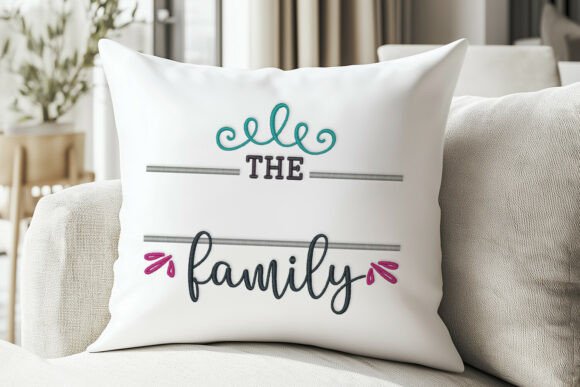
Family Name Split Embroidery Review
As an embroidery designer who has spent years digitizing files for everything from high-end corporate uniforms to boutique Etsy merchandise, I approach every new design asset with a critical eye. We are not just looking at aesthetics; we are evaluating production viability, brand impact, and commercial potential. Today, I am reviewing the Family Name Split Embroidery file, specifically analyzing its utility for small business owners, apparel decorators, and digital file creators.
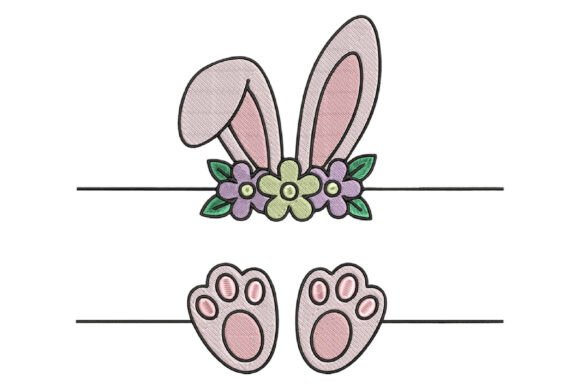
This design falls under the Wedding Family category, but its application extends far beyond traditional bridal markets. The core feature—a split area designed to accommodate a last name using custom fonts—offers a unique value proposition for branded merchandise. Below is my professional assessment of how this machine embroidery design performs in real-world commercial scenarios.
First Impressions: Professionalism Meets Personalization
When you first load the embroidery file, the immediate takeaway is its versatility. The title suggests a classic, perhaps slightly rustic or elegant aesthetic, which is ideal for brands that want to convey heritage, trust, and warmth. For a small business, particularly one in the handmade goods sector, this visual personality helps establish a connection with the customer before they even touch the product.
The "split" concept is clever. It allows for a dynamic composition where the primary brand element can be balanced by a personalized surname or monogram. This isn't just decorative; it’s a strategic design choice. It signals that the item is bespoke, elevating the perceived value of the finished product. Whether you are creating gifts for a housewarming or branding your own studio’s merch, the design feels premium without being overly ornate.
Real-World Business Applications
In my experience, the most successful embroidered products are those that serve multiple purposes. Here is how Family Name Split Embroidery translates into actionable business assets:
- Embroidered Patches: This design works exceptionally well as a standalone patch. The split layout provides enough negative space to allow for clean stitching, making it perfect for sewing onto denim jackets, canvas totes, or leather goods. As an embroidered patch, it acts as a badge of quality and ownership.
- Staff Uniforms and Aprons: For cafes, bakeries, or florists, consistency is key. Using this design on apron embroidery allows staff to wear their department or role (via the split section) while maintaining a unified brand look. It adds a layer of professionalism to custom apparel that plain logos often lack.
- Cap Embroidery: The curved surface of a cap presents challenges for complex designs. However, if the stitch density is managed correctly, this design can sit neatly on the front panel. It creates a subtle yet recognizable mark for brand ambassadors or event merch.
- Tote Bag Design: Canvas bags are a staple for craft fairs and retail shops. Placing this design centrally or on the side pocket offers a sophisticated branding opportunity. It transforms a generic bag into a handmade product statement piece.
- Product Packaging Accents: Don’t overlook the unboxing experience. Attaching a small version of this design to hang tags or packaging labels reinforces brand identity and encourages social media sharing by customers.
Brand Identity and Customer Trust
Every stitch contributes to your brand identity. A well-executed embroidery project signals attention to detail. When customers see Family Name Split Embroidery used on a product, they perceive care and craftsmanship. This directly impacts customer trust and recognition. In a crowded market, the tactile quality of embroidery combined with a personalized touch fosters deeper engagement than printed graphics alone.
Furthermore, the ability to customize the split section allows for dynamic design assets. You can create variations for different family names, team members, or partner brands, keeping your inventory fresh and relevant without needing entirely new base designs.
Where to Exercise Caution
While this design is robust, no embroidery file is universally perfect. As a designer, I must highlight areas where production issues may arise if proper precautions aren't taken:
- Small Patch Sizes: If you intend to scale this down significantly for tiny patches, you risk losing legibility. The split text needs adequate spacing to remain readable. Always test at the final production size.
- Curved Surfaces: On caps or rounded containers, distortion can occur. Ensure your digitizer has accounted for curvature, or use a stabilizer that supports the fabric structure during stitching.
- High Stitch Density: Check the stitch count. If the design is too dense for lightweight fabrics like thin cotton tees, it may pucker. Conversely, on heavy denim, ensure the needle penetrates effectively.
- Thread Color Contrast: The success of the split text relies heavily on contrast against the background fabric. Dark uniforms require light threads, and vice versa. Poor contrast will ruin the visual consistency of the brand.
- Frequent Washing: For items like aprons or work shirts that undergo industrial laundering, ensure the backing is secure. Loose edges on the split sections can fray over time if not trimmed and stabilized correctly.
Practical Designer Notes for Production
Before committing this digital embroidery file to bulk production, follow these essential steps to protect your reputation and ensure quality:
- Test in Black and White: Remove color to check the balance of the design. Does the split section feel weighted correctly? Is the hierarchy clear?
- Check Hoop Size: Verify that the largest size fits within your standard hoop dimensions. If the design exceeds common hoop sizes, you may need multi-hooping, which increases production time and cost.
- Review Thread Colors: Select thread colors that align with your brand palette. Use high-quality polyester or rayon threads to prevent shine issues or breakage.
- Inspect Spacing: Zoom in on the split area. Are the letters too close together? Proper spacing is crucial for readability, especially in smaller formats.
- Confirm Stabilizer Usage: Choose the right stabilizer (cut-away vs. tear-away) based on the fabric texture. Stable fabrics may need less support, while knits require more.
- Create a Printable Mockup: Before stitching, generate a printable mockup for client approval. This saves material and time, allowing stakeholders to visualize the final result on different products.
- Verify Commercial Licensing: Most importantly, confirm the commercial licensing terms. Even though the description mentions home use, ensure you have the rights to sell items made with this design. If the license is unclear, contact the creator immediately.
Final Verdict
Family Name Split Embroidery is a versatile, high-potential asset for any small business focused on quality and personalization. Its ability to bridge the gap between wedding/gift markets and everyday commercial use makes it a valuable addition to your library. By paying attention to stitch density, fabric choice, and licensing, you can leverage this design to create memorable small business merch that resonates with customers.
Whether you are decorating tote bags, branding uniforms, or crafting unique gifts, this design offers a professional finish that speaks volumes about your brand’s commitment to detail. Test it thoroughly, experiment with thread colors, and watch your brand recognition grow.