Paint Palette Embroidery Design Review for Craft Fairs
As an experienced embroidery designer who has spent countless weekends setting up booths at local craft fairs and online handmade markets, I know that the difference between a product that sits on a table and one that sells out in minutes often comes down to the design itself. When I first laid eyes on the Paint Palette Embroidery Design, my mind immediately went to the creative entrepreneurs I meet every day: Etsy sellers, boutique makers, and small shop owners looking for that perfect focal point for their next collection. This isn't just another generic machine embroidery design; it is a vibrant, artistic piece that speaks directly to the soul of anyone who loves creating.
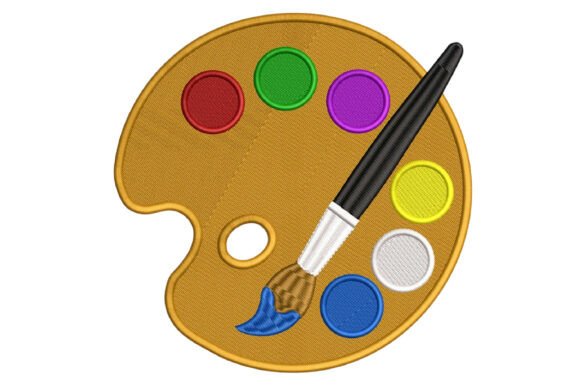
The description highlights a classic artist palette, and from a visual standpoint, this design feels bold yet approachable. It strikes a perfect balance between modern and rustic, making it incredibly versatile. Whether you are targeting a farmhouse aesthetic or a chic urban studio vibe, Paint Palette Embroidery Design fits right in. For a craft fair seller, the immediate impression matters because customers scan tables quickly. This design grabs attention with its inherent story of creativity, promising a finished product that looks premium and handcrafted.
Where Paint Palette Embroidery Design Shines on Products
In a real-world scenario, imagine your booth display featuring embroidered tote bags, aprons, tea towels, patches, caps, small pouches, and pillow covers. The Paint Palette Embroidery Design performs exceptionally well across these categories, but some items offer better visibility and sales potential than others. Let's break down how this design translates into tangible craft fair products.
- Tote Bags and Market Bags: A large tote bag is the ultimate canvas for this design. Placing the palette on the front pocket or centering it on a sturdy canvas bag creates a statement piece. Customers love accessories that reflect their hobbies, and seeing a painted palette on a bag suggests they are carrying art with them everywhere.
- Apron Embroidery: For the culinary artist or the home baker, Paint Palette Embroidery Design adds a whimsical touch to kitchen wear. It transforms a standard apron into a unique gift item. The design works best as a central focal point here, where the curves of the palette mimic the shape of the apron bodice.
- Tea Towel Embroidery: Kitchen towels are high-volume sellers. This design can be scaled down slightly to fit the hem of a tea towel without losing impact. The contrast of colorful threads against white or cream linen makes the embroidery file pop, ensuring it stands out even when folded neatly on a display rack.
- Embroidered Patches: One of the smartest ways to use this design is to create detachable patches. You can sell these as standalone items or attach them to denim jackets, beanies, or backpacks. Patches allow buyers to personalize their own gear, increasing the perceived value of the item.
- Caps and Small Pouches: On curved surfaces like baseball caps, the design needs to be compact. If the original file is too large, it may lose clarity. However, a resized version of the palette on a cap is a trendy accessory that appeals to younger demographics and students.
Selling Strategy and Visual Appeal
When evaluating any commercial embroidery project, I always ask: "Does this photograph well?" In the digital age, your Etsy listing and social media posts are often the first interaction a customer has with your brand. Paint Palette Embroidery Design excels here because the concept is universally understood. Even if a customer cannot see the texture of the stitches from a thumbnail image, the recognizable shape of the palette draws the eye immediately.
For small shop products, consistency is key. This design allows for batch production without feeling repetitive. You can create a cohesive line of goods—perhaps a matching set of a tote bag, a tea towel, and a kitchen apron—all featuring variations of the same machine embroidery design. This builds a strong brand identity that tells a story of artistry and craftsmanship. Customers are more likely to buy multiple items if they see a connected theme, and the artistic nature of the palette encourages this kind of bundling.
Furthermore, the design acts as a conversation starter at a market. When a customer picks up a bag with this motif, they are often drawn to the idea of creativity. It positions the product not just as a utility, but as an expression of the owner's personality. This emotional connection is what drives sales for handmade gifts and boutique items.
Practical Production Notes for Success
While the design is visually appealing, turning a digital file into a profitable finished product requires technical precision. Before you start mass-producing for your next craft fair, there are critical steps every designer must take to ensure quality.
Test on Scrap Fabric: Never assume a design will work perfectly on your final fabric. Always run a test on scrap material that matches the weight and texture of your actual product. The stitch density of the palette might behave differently on a soft cotton towel compared to a stiff canvas tote. Dense stitch areas can cause puckering if the stabilizer isn't chosen correctly.
Check Thread Contrast: The vibrancy of the paint colors in the design relies heavily on thread choice. Ensure your thread colors have enough contrast against the background fabric. On dark fabrics, you may need to underlay the design more heavily or choose lighter thread shades to maintain clarity. Conversely, on light fabrics, ensure the threads aren't too subtle.
Hoop Size and Stabilizer: Confirm the recommended hoop size for the design. Attempting to embroider a large palette on a small hoop can lead to distortion. Additionally, using the right stabilizer is non-negotiable. For textured towels or thick fabrics, a cut-away stabilizer provides the necessary support to keep the stitches flat and prevent the design from sinking into the material.
Inspect Stitch Density and Details: Look closely at the tiny details within the palette, such as the holes for the fingers or the bristles of the brushes. If the design is digitized poorly, these small elements can disappear or merge together, especially on smaller items like patches or caps. If the details are too fine, consider simplifying the design for smaller applications.
Final Thoughts for the Creative Entrepreneur
The Paint Palette Embroidery Design is a standout asset for any maker looking to elevate their inventory. It bridges the gap between functional goods and artistic expression, making it ideal for handmade product lines that target artists, writers, and creatives. Whether you are selling physical items at a weekend market or offering digital embroidery files to other designers, this design offers strong potential.
To maximize its success, create at least one real mockup before listing it online. Use it on a variety of fabrics to see how it behaves in different contexts. Compare fabric colors to find the most striking combinations. Most importantly, confirm your commercial licensing rights before selling finished products derived from this file. With careful preparation and attention to detail, this design can become a cornerstone of your brand, attracting customers who appreciate the beauty of hand-stitched art.
By treating your design assets with professional care, you ensure that every item leaving your booth or shipping from your shop reflects the highest standards of quality. The Paint Palette Embroidery Design is ready to bring color and creativity to your customers' lives, provided you execute the production with the expertise it deserves.