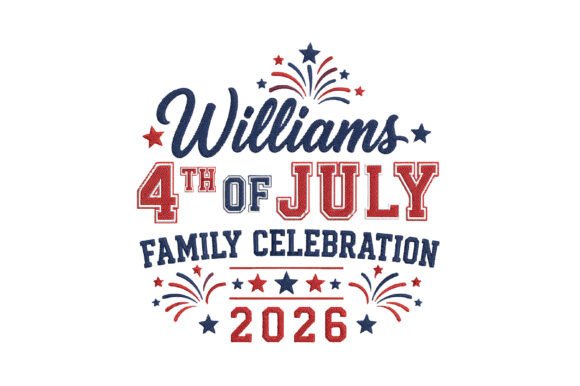
Personalized 4th of July Embroidery Review
As a designer who spends hours evaluating embroidery files before they ever hit the hoop, I know that the difference between a good design and a great one often comes down to how it translates from a screen to fabric. Recently, I took a closer look at the Personalized 4th of July Embroidery collection to see if it holds up under real-world pressure for custom apparel, holiday gifts, and boutique merchandise. This isn't just another patriotic graphic; it is a functional tool for anyone looking to add a festive touch to their craft business or personal projects.
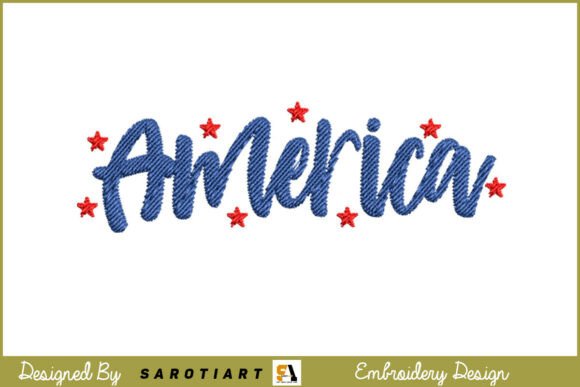
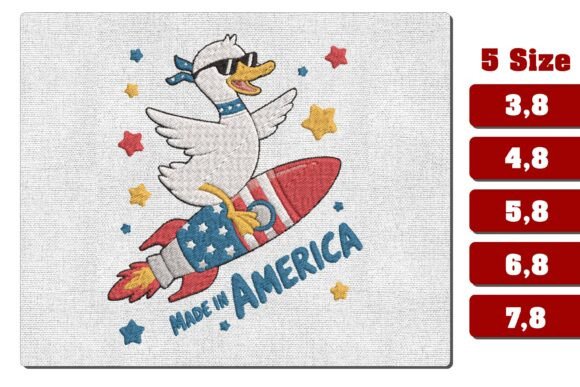
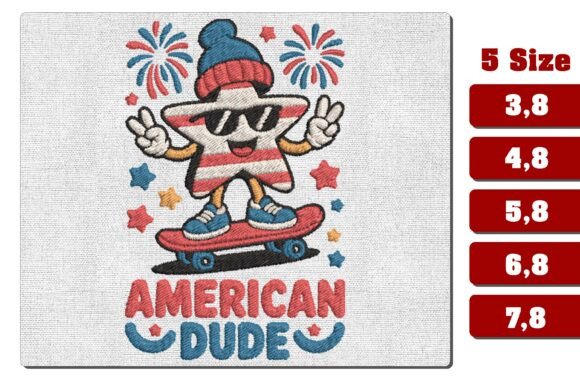
The first impression of this design is immediate and vibrant. It captures the essence of summer freedom without feeling cluttered. The layout balances bold elements like stars and fireworks with the customizable text space perfectly. For a designer, this balance is crucial because it dictates where the eye lands on the finished product. Whether you are creating a family reunion shirt or a boutique tote bag, the visual personality of this piece feels celebratory yet professional. It avoids the cheesy, over-saturated look that can sometimes plague holiday-themed digital assets.
Real-World Application: From Screen to Stitch
I recently put this design to the test while preparing a batch of custom embroidered tote bags for a local craft fair. The goal was to create a limited-edition item that customers could grab as a last-minute gift. Using the Personalized 4th of July Embroidery file, I customized the text with "Smith Family" in a clean font. The result was stunning. The placement of the fireworks allowed the text to sit naturally within the composition, rather than feeling like an afterthought pasted on top.
This versatility extends beyond totes. Imagine applying this same design to a baby onesie for a newborn's first Independence Day. The soft curves of the stars and the gentle flow of the fireworks work beautifully on smaller garments where large, blocky designs might overwhelm the wearer. Similarly, for sweatshirt embroidery, the density of the fill stitches provides enough texture to stand out against the heavy cotton, creating a tactile experience that machine-washed items often lack.
However, not every surface is created equal. While this design shines on stable fabrics like canvas or twill, there are specific scenarios where caution is required. If you are working with stretchy fabrics like jersey knits or thin materials like sheer curtains, the tension required for the satin stitch elements might cause puckering. In these cases, proper stabilizer selection becomes non-negotiable. You must ensure the base fabric has enough support to handle the weight of the thread, especially around the dense areas of the fireworks bursts.
Where to Use (and Where to Pause)
When considering your next project, think about the physical constraints of your product. Curved surfaces, such as baseball caps or beanies, present a unique challenge. While the embroidery design looks flat and perfect on a computer mockup, the curvature of a cap can distort the geometry of the text if the digitization isn't adjusted for the curve. I recommend testing the Personalized 4th of July Embroidery on a scrap piece of the actual cap material before committing to a full production run.
Dark fabrics also require strategic planning. The description mentions patriotic colors, which usually implies reds, whites, and blues. On a navy or black background, the white elements will pop, but you need to ensure the thread coverage is sufficient to prevent the dark fabric from showing through. If the design includes small details or tiny lettering, be wary of using it on dark backgrounds without a high-density underlay. A quick check in a black-and-white mockup can reveal if the contrast will be lost once stitched.
For those selling handmade products on platforms like Etsy, the presentation matters just as much as the stitching. This design is ideal for creating custom apparel that feels premium. When a customer sees a crisp, well-executed embroidery job on a kitchen towel or a pillow cover, their trust in your brand increases immediately. It signals that you care about quality, which is essential for maintaining a loyal following in the competitive world of craft business.
Technical Considerations for the Designer
Before you start running your machine, there are several practical steps to ensure success. First, always test the design on scrap fabric. This allows you to gauge the stitch density and see how the threads interact with the weave of your material. If the design looks too crowded on the screen, it might translate to a stiff, cardboard-like feel on the final product. Conversely, if it looks sparse, it might appear cheap once stitched.
Thread color selection is another critical factor. The Personalized 4th of July Embroidery relies heavily on contrast to make the stars and fireworks pop. Using standard polyester threads is fine for most projects, but if you want a more luxurious finish, consider metallic threads for the accents. Just remember that metallics require different handling and may slow down your production speed. Also, verify the hoop size requirements. Some complex layouts might need a larger hoop to accommodate the full width of the fireworks display without cutting off edges.
If you plan to use this for commercial purposes, such as selling finished goods or offering personalized services, double-check the licensing terms. Many digital assets come with restrictions on how many units you can produce or whether you can resell the file itself. Ensure you have the right permissions before listing your products online.
Design Assets for Every Maker
Whether you are a hobbyist making a gift for a neighbor or a seasoned Etsy seller scaling your operation, this design offers flexibility. It works exceptionally well for holiday embroidery projects where timing is tight. Because the text is customizable, you can quickly adapt the design for different families, teams, or organizations without needing to re-digitize the entire file.
The inclusion of decorative accents like stars and fireworks adds depth to what could otherwise be a simple text-based design. These elements serve as natural framing devices, drawing attention to the personalized name or message. For embroidered patches, the bold outlines and distinct shapes make this design particularly effective, provided the backing is sturdy enough to hold the shape during trimming.
In conclusion, the Personalized 4th of July Embroidery file is a solid addition to any designer's library. It strikes a balance between festive flair and professional execution. By understanding its strengths and limitations regarding fabric type, hoop size, and thread choice, you can create finished products that your customers will love. Remember, the best designs are those that perform as well in the real world as they do on the screen. With a little preparation and attention to detail, this design can help elevate your handmade product line and bring a touch of American spirit to your next project.