Wind Blown Tree Embroidery Design Review
In the competitive world of small business merch, visual identity is everything. As an experienced embroidery designer who has digitized thousands of files for brands ranging from local bakeries to national apparel lines, I know that a single design choice can make or break a product line. Today, I am reviewing the Wind Blown Tree Embroidery Design, a piece that promises to capture nature in motion. But does it hold up under the scrutiny of commercial production? Can it serve as a viable asset for branded patches, staff uniforms, and high-end custom apparel? Let’s dive into the details.
First Impressions: Visual Personality and Brand Fit
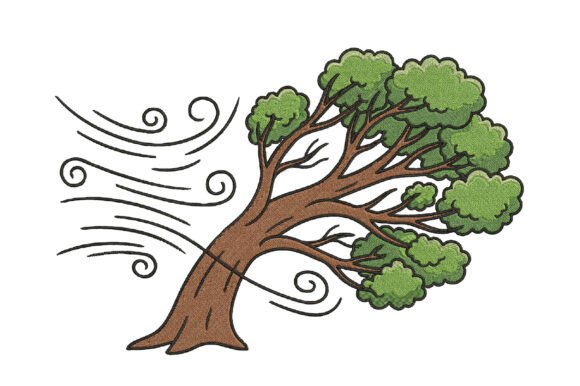
The title alone suggests movement and organic elegance. When you look at the description—featuring a large tree bending gracefully in the wind—you immediately sense a narrative. This isn’t just a static logo; it’s a moment captured in time. For a brand, this translates to feelings of resilience, adaptability, and natural beauty.
From a design perspective, the Wind Blown Tree Embroidery Design strikes a balance between rustic charm and modern sophistication. It feels premium yet approachable. If your brand is rooted in the outdoors, sustainability, or artisanal craftsmanship, this design aligns perfectly with those values. It avoids being overly decorative or cluttered, which is crucial for maintaining a clean brand identity. The dramatic arc of the branches offers a dynamic silhouette that stands out on flat surfaces like tote bags or curved ones like caps.
Real-World Application for Small Businesses
How does this embroidery file perform when translated into physical products? Here is where we evaluate its versatility across various merchandise categories.
- Embroidered Patches: This design is exceptional for creating morale patches or brand badges. The sweeping lines of the tree allow for excellent fill density without looking muddy, provided the digitization is clean. A circular patch framing the tree creates a classic "seal of quality" look suitable for denim jackets or canvas totes.
- Apron Embroidery: For cafes, bakeries, or florists, placing this design on the chest pocket of a heavy-duty apron adds a touch of artisanal pride. It signals to customers that care and attention to detail are part of your service.
- Cap Embroidery: The vertical flow of the tree works well on the front panel of a structured cap. However, ensure the base is wide enough to support the width of the branches. It creates a striking focal point that doesn’t overwhelm the wearer.
- Tote Bag Design: On a sturdy cotton canvas tote, this design serves as a standalone artistic statement. It elevates a basic commodity into a fashion accessory, increasing perceived value and encouraging customers to carry your brand in public.
- Staff Uniforms: For boutique retail or creative studios, subtle placement on a work shirt sleeve or collar can reinforce team cohesion while maintaining a professional aesthetic.
Strategic Considerations and Limitations
No design is perfect for every application. As a designer, I must highlight where the Wind Blown Tree Embroidery Design requires careful handling to avoid production pitfalls.
Small Patch Sizes: If you intend to scale this down to a size smaller than 2 inches, caution is advised. Fine details in the branches may merge together, losing the graceful shape. Always produce a test run at the intended final size to check legibility.
Curved Surfaces: While caps are great, highly curved items like beanies or fitted hats can distort the horizontal spread of the tree. Ensure your hoop setup accounts for fabric tension to prevent the branches from appearing stretched or compressed.
High Stitch Density: Trees often require dense fills to look solid. If your target fabric is lightweight or prone to puckering (like thin polyester), you may need a heavier stabilizer or a different thread type to maintain structure. Conversely, on thick fabrics like fleece, ensure the needle penetrates fully without breaking.
Dark Uniforms and Contrast: The design relies on contrast. On dark backgrounds, light-colored threads will pop beautifully, but ensure the thread colors chosen have sufficient contrast against the fabric. Dark-on-dark embroidery may lose the definition of the wind-blown effect.
Impact on Brand Identity and Customer Trust
Investing in high-quality commercial embroidery sends a message. Customers associate embroidered goods with durability and quality. A well-executed Wind Blown Tree Embroidery Design enhances customer trust by demonstrating that your brand pays attention to detail. It moves your products away from "cheap print-on-demand" territory and into the realm of lasting goods.
This design also fosters visual consistency. If your brand uses earth tones, organic shapes, or nature-inspired motifs, this tree acts as a cohesive anchor. It helps in building recognition over time. When a customer sees that specific sweeping branch, they should instantly think of your brand’s ethos—growth, strength, and natural beauty.
Practical Designer Notes for Production
Before you send this digital embroidery file to mass production, follow these essential steps to ensure a flawless finished product.
- Test in Black and White: Convert the design to monochrome first. This helps you evaluate the balance of negative space and stitch coverage without the distraction of color.
- Check Stitch Density: Inspect the underlay and topstitch density. Too much density can make the fabric stiff; too little can make the design look sparse. Adjust if necessary.
- Review Thread Color Contrast: Choose thread colors that complement your brand palette but ensure they stand out against the garment color. Test multiple combinations.
- Inspect Spacing: Look closely at the spacing between branches. Are there any areas where stitches might collide or create unwanted texture? Refine the digitization if needed.
- Confirm Hoop Size: Ensure the design fits within your standard hooping dimensions. Oversized designs may require multi-hoop editing, which increases production time and cost.
- Test on Real Fabric: Never trust a digital mockup entirely. Embroider a sample on the actual fabric you plan to use. Check for puckering, thread breaks, and overall drape.
- Use Proper Stabilizer: Select the correct stabilizer (cut-away, tear-away, or water-soluble) based on the fabric weight and stretch. This is critical for maintaining the integrity of the design.
- Create a Printable Mockup: Use the design to create a realistic mockup for client approval or marketing materials. This helps visualize the final result before committing to bulk orders.
- Compare with Other Assets: Place the design beside your other design assets to ensure it matches the style and quality level of your existing branding.
- Confirm Commercial Licensing: Most importantly, verify that you have the right to use this embroidery design for commercial purposes. Unauthorized use can lead to legal issues.
Final Verdict
The Wind Blown Tree Embroidery Design is a strong candidate for small businesses looking to add depth and character to their merchandise. Its artistic flair and natural theme make it versatile enough for a wide range of applications, from apron embroidery to tote bag design. By following proper digitization and production protocols, you can leverage this design to enhance your brand identity and create memorable handmade products that resonate with your audience.
Remember, the success of any embroidered patch or garment lies not just in the design itself, but in the execution. Take the time to test, refine, and approve each step. When done right, the Wind Blown Tree Embroidery Design will not just be a decoration; it will be a powerful symbol of your brand’s story.