Mini Rose Embroidery Design Review
As an experienced embroidery designer who has spent countless weekends setting up booths at local craft fairs and online handmade markets, I know that the difference between a product that sits on a table and one that flies off it often comes down to the design itself. When I first laid eyes on the Mini Rose Embroidery Design, my mind immediately went to the practicalities of production and the emotional connection with a buyer. This isn't just a digital file; it is a potential bestseller for your small shop or Etsy listing.
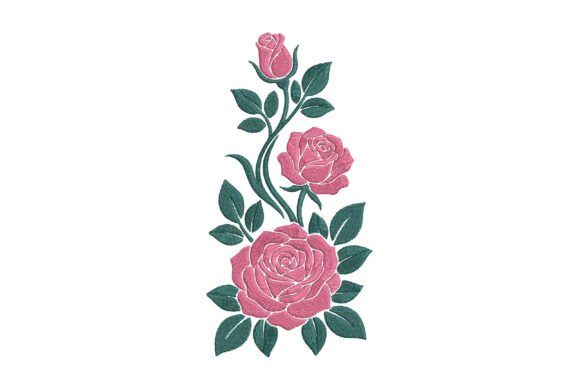
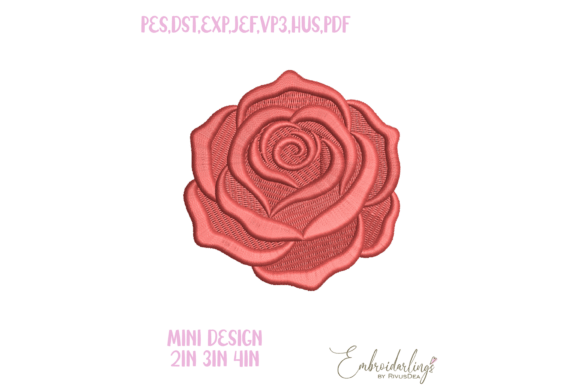
The description promises a "classic touch of nature" and a "beautifully detailed blooming rose." In the world of machine embroidery, these words are code for versatility. My initial impression is that this design leans heavily into the elegant and farmhouse aesthetic. It feels soft yet refined, making it perfect for customers looking for items that add a touch of sophistication without being overly ornate. For a booth display, this kind of design acts as a visual anchor, drawing the eye in with its floral charm while remaining subtle enough to complement a wide range of fabric colors.
Visual Appeal and Market Fit
In a crowded marketplace, the Mini Rose Embroidery Design needs to stand out from the moment a customer walks by. The "Single Flowers" category is saturated, so execution is everything. Because this design features a detailed bloom, it photographs exceptionally well for online listings. A high-resolution image of this rose on a crisp white tea towel or a denim tote bag can stop a scroll on social media or capture attention in a busy Etsy feed. The level of detail suggests a premium feel, which allows you to price your finished products higher than basic, simple stitch patterns.
For craft fair sellers, the mood of the design matters immensely. This rose feels timeless rather than trendy, meaning it will remain relevant season after season. It works beautifully for spring and summer festivals but also adds a cozy, rustic warmth to holiday gift tables. Whether you are targeting boutique makers or creative entrepreneurs, this design bridges the gap between modern minimalism and traditional decorative styles. It is a safe bet that appeals to a broad demographic, from young adults buying gifts to seasoned collectors of handmade goods.
Product Potential: From Totes to Patches
When planning my weekend booth, I evaluate every design against a checklist of popular items. The Mini Rose Embroidery Design is incredibly adaptable across various product types. Here is how I see it performing in real-world scenarios:
- Tote Bag Design: This is a top contender. A single rose placed centrally on a canvas tote or near the handle creates a chic, understated look. It elevates a standard $5 item to a $25 boutique piece.
- Apron Embroidery: For the home cook or gardener, placing this design on the bib of an apron adds a personal touch. The floral theme pairs naturally with kitchen settings, making it a highly giftable item.
- Tea Towel Embroidery: Linen or cotton tea towels are staples at craft fairs. The detailed stitching of the rose provides a lovely contrast against the texture of the fabric, creating a tactile experience that buyers love to touch.
- Embroidered Patch: If you cut the design out or use it on a stabilizer-backed patch, it becomes a versatile accessory. You can sew these onto jackets, bags, or hats, offering a modular way to sell the design multiple times.
- Fabric Pouches and Caps: Small pouches for cosmetics or sewing kits benefit from the compact nature of the rose. On caps, it serves as a classic accent that fits perfectly on the curved front panel.
- Pillow Covers: For a larger statement piece, repeating the design or using it as a focal point on a throw pillow can create a stunning centerpiece for a home decor section.
This versatility means you can create a cohesive collection where the Mini Rose Embroidery Design ties everything together. A matching set of a tote, a tea towel, and a pillow cover creates a strong visual narrative for your brand consistency.
Production Practicality and Sales Strategy
From a business owner's perspective, efficiency is key. Does this design allow for batch production? Yes. The structure of a single flower like this is generally straightforward to hoop and stitch, allowing for a steady workflow during long market days. It photographs beautifully for printable mockups, which are essential for Etsy sellers who need to showcase their small shop product line before they have physical inventory.
However, not all designs are created equal. To ensure your finished product looks professional, you must consider the technical aspects. The design description mentions "beautifully detailed," which implies a certain level of stitch density. While detail sells, excessive density can make the fabric stiff or cause puckering if not managed correctly. Before committing to a full run, you must test the design on scrap fabric to ensure the stitches lay flat and the details remain crisp.
Consider the placement on different materials. On a textured towel, the fine details might get lost slightly compared to smooth cotton, but this can actually add to the rustic charm. Conversely, on dark fabric, the thread colors need to be chosen carefully to maintain contrast. If the design includes tiny details or small lettering (if any), remember that clarity can be lost at smaller sizes. Always check the hoop size requirements to ensure the design fits your intended product dimensions without cutting off important elements.
Critical Designer Notes for Success
To turn this embroidery file into a profitable asset, I recommend following a strict quality control process. First, always test on scrap fabric that matches the weight and texture of your final product. This helps you anticipate how the fabric texture interacts with the threads. Second, review the spacing. A design that is too large for a cap brim or too small for a tote center can ruin the aesthetic balance.
Confirm the right stabilizer is used for each project type. Heavier fabrics like canvas may require a tear-away or cut-away stabilizer to prevent distortion, while delicate linens might need a water-soluble option. Create at least one real mockup of your most promising product, such as a tote bag, and photograph it in natural light. Compare different fabric colors to see which ones make the thread colors pop the most.
Finally, never overlook the legal side. Before selling these as commercial embroidery products, confirm the commercial licensing terms associated with the digital embroidery file. Ensure you have the rights to produce and sell the finished items. By treating the Mini Rose Embroidery Design with this level of care, you ensure that your booth display reflects high-quality craftsmanship.
In conclusion, the Mini Rose Embroidery Design is a powerful tool for any creative entrepreneur. Its blend of classic beauty and practical application makes it ideal for generating sales at craft fairs and online stores alike. By focusing on high-quality execution and strategic product selection, you can transform this floral pattern into a signature element of your handmade brand.