Tulip Pot Embroidery Design Review
As an embroidery designer who spends weekends setting up booths at local craft fairs and managing a busy online shop, I have learned that not all digital files are created equal. Some designs look beautiful on a screen but fall flat in person, while others catch the eye instantly and drive sales. Today, I am reviewing the Tulip Pot Embroidery Design, a piece from the Single Flowers category that promises to bring a touch of spring to your handmade inventory. This review is based on real-world application, focusing on how this design performs as a commercial product for booth displays, Etsy listings, and boutique collections.
First Impressions: Visual Appeal and Market Fit
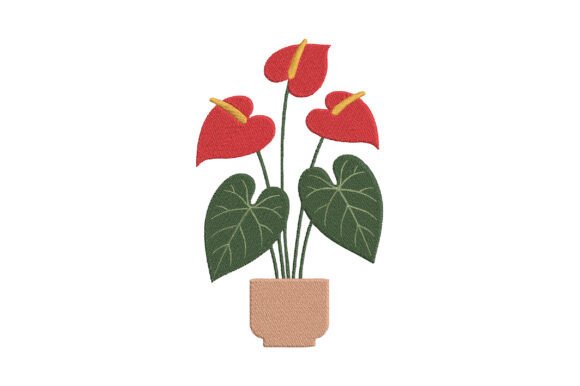
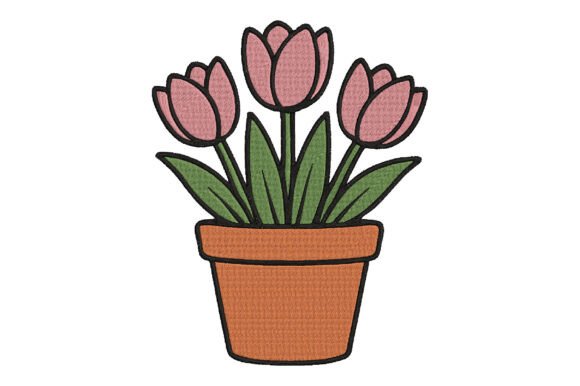
The Tulip Pot Embroidery Design immediately strikes me as having strong commercial potential due to its accessibility. The description highlights "soft pink flowers and green leaves in a simple, modern style." In the world of machine embroidery, simplicity is often the key to mass appeal. Complex, highly detailed floral patterns can sometimes look muddy when stitched at smaller sizes or on textured fabrics. However, this design’s clean lines and uncluttered composition ensure it remains legible and charming regardless of the scale.
The aesthetic leans heavily into the popular "modern farmhouse" and "spring cottagecore" trends that dominate current home decor markets. It feels fresh, uplifting, and versatile. For a craft fair seller, this is crucial. You want a product that appeals to a broad audience—someone looking for a gift for a housewarming, a mother’s day present, or just a cheerful addition to their kitchen. The soft pink palette is gender-neutral enough to be widely acceptable yet feminine enough to stand out as decorative art. It does not feel overly rustic or vintage; instead, it feels contemporary and premium, which allows you to price your finished goods with confidence.
Product Versatility: Where This Design Shines
One of the biggest challenges for an Etsy seller or small business owner is creating a cohesive collection without reinventing the wheel every season. The Tulip Pot Embroidery Design excels in versatility. Here is how I see it performing across various high-demand categories:
- Tote Bag Design: A large canvas tote bag is the quintessential craft fair item. Placing this potted tulip centrally on a natural linen or white cotton tote creates a striking focal point. The contrast between the soft pink threads and neutral fabric will photograph beautifully for your online listings.
- Apron Embroidery: Kitchen aprons are evergreen sellers. This design fits perfectly on the bib or the lower pocket area. Because it features a pot, it subtly hints at gardening or cooking, making it a logical choice for someone who loves both baking and plants.
- Tea Towel Embroidery: Small, giftable items move quickly at market stalls. On a tea towel, this design acts as a subtle accent. It adds value to a basic commodity, transforming it into a thoughtful, handmade product.
- Embroidered Patch: If you offer patches for denim jackets or backpacks, this design translates well. The defined edges of the pot and leaves allow for clean trimming and iron-on backing, making it a practical accessory for younger demographics.
- Pillow Covers and Home Decor: For higher-ticket items, placing this design on a square pillow cover creates a cozy, seasonal vibe. It works particularly well in entryway tables or bedside stands, adding a pop of color to neutral rooms.
Additionally, this design serves as an excellent printable mockup asset. Even before you stitch the first sample, you can visualize how it looks on different backgrounds, helping you plan your marketing materials effectively.
Production Practicality and Quality Control
From a production standpoint, efficiency is money. When preparing for a weekend craft fair, you need designs that stitch reliably and consistently. The Tulip Pot Embroidery Design appears to be structured for clarity, which usually means manageable stitch density. However, as an experienced designer, I cannot stress enough the importance of testing before bulk production.
When evaluating any embroidery file, you must consider the stitch density. If the flower petals are too dense, they may pucker the fabric, especially if you are using lightweight materials like thin cotton tees or sheer organza. Conversely, if the stitches are too sparse, the underlying fabric might show through, giving a cheap appearance. Always test this design on scrap fabric that matches the weight and texture of your final product.
Another critical factor is the hoop size. Ensure the design dimensions fit comfortably within your standard hoops (such as 4x4, 5x7, or 6x10 inches) to maximize your material yield. If the design requires a larger hoop than necessary, you will waste fabric and increase your overhead costs. Check the specifications provided by the creator to confirm the optimal dimensions.
Thread selection is also vital. While the description mentions soft pink and green, the specific shades matter. Avoid neon or overly saturated colors unless your brand specifically targets that aesthetic. Muted, pastel tones tend to convey a more sophisticated, high-quality feel that resonates well with boutique shoppers. Experiment with different thread brands to find one that offers good sheen and durability.
Strategic Advice for Sellers
To get the most out of the Tulip Pot Embroidery Design, consider these strategic tips for your booth and online store:
- Create a Cohesive Display: Group this design with other spring-themed items. If you have matching lemonade or sunflower designs, create a "Spring Collection" section at your craft fair booth. Visual grouping encourages impulse buys.
- Highlight the Handmade Quality: Use close-up photos in your Etsy listings to show the texture of the stitches. Customers buy handmade goods for the tactile quality. Show them the precision of the pot’s rim and the smoothness of the leaf veins.
- Check Commercial Licensing: Before selling finished products, verify the commercial embroidery license terms. Some designers allow unlimited sales, while others cap the number of units or require a separate license for physical goods. Protect your business by staying compliant.
- Use the Right Stabilizer: To prevent distortion, especially on curved surfaces like caps or rounded tote bags, use appropriate stabilizers. Cut-away stabilizers are generally best for durable garments, while tear-away works well for stable home decor items.
- Photograph with Context: When creating a digital embroidery file mockup or shooting real samples, include lifestyle elements. Show the embroidered apron next to fresh tulips or on a kitchen counter with coffee. This helps buyers imagine the product in their own lives.
Final Verdict
The Tulip Pot Embroidery Design is a solid, market-ready asset for any small shop product line. Its modern simplicity, combined with the universal love for spring florals, makes it a safe yet stylish bet for craft fairs and online markets. It photographs well, stitches cleanly, and appeals to a wide demographic. By paying attention to fabric choices, thread contrasts, and proper licensing, you can turn this single design into a profitable series of handmade products that customers will cherish.
Remember, success in the handmade market comes from consistency and quality. Test this design thoroughly, refine your presentation, and let the charm of the tulip pot do the talking. Whether you are a seasoned pro or just starting out, this design has the potential to be a standout item in your portfolio.