Red Anthurium Embroidery Design Review
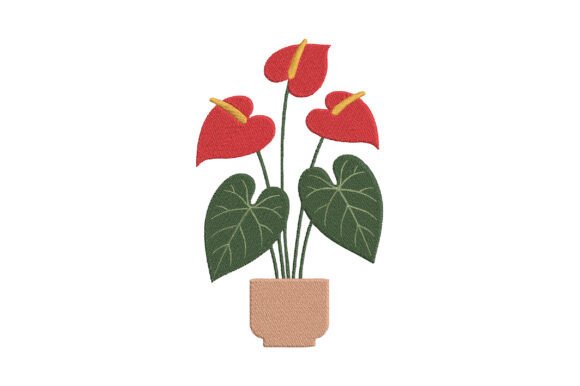
As an embroidery designer who has spent years refining digital files for commercial production, I approach every new asset with a critical eye. We are not just looking at pretty flowers; we are evaluating stitch efficiency, brand applicability, and the finished product’s durability. When I first reviewed the Red Anthurium Embroidery Design, my immediate thought was about its potential in the small business merch space. The description promises a bold and exotic touch with glossy red anthurium flowers and elegant green leaves, bringing a tropical vibe to any project. But does it hold up under the needle? Here is my professional breakdown of how this design performs as a branded asset.
First Impressions: Bold, Exotic, and Premium
The visual personality of the Red Anthurium Embroidery Design is unmistakable. In the world of embroidery, color contrast is king, and the combination of vibrant reds against deep greens creates an instant focal point. This is not a subtle, rustic floral; it is modern, elegant, and slightly playful. For a small business owner—whether you run a boutique café, a handmade skincare line, or a creative studio—this design signals premium quality. It feels lush and expensive, which translates directly to perceived product value.
From a design perspective, the "glossy" look described in the file suggests a satin stitch technique that mimics the natural sheen of an anthurium spathe. This adds depth without requiring excessive thread changes, which is crucial for maintaining production speed. The tropical theme works exceptionally well for brands that want to evoke feelings of warmth, luxury, or nature-inspired wellness. It bridges the gap between decorative art and functional branding, making it versatile enough for various industries.
Real-World Business Applications
Let us move beyond the screen and discuss where this embroidery file truly shines in a commercial setting. An embroidered patch featuring this design can elevate a simple tote bag into a statement piece. Imagine a local florist offering branded tote bags with this accent on the front pocket; it reinforces their connection to nature while providing customers with a high-quality accessory they will actually use.
For staff uniforms, particularly in hospitality or creative retail, this design offers a fresh alternative to traditional logos. On a white or light-colored apron, the red anthurium pops beautifully, creating a friendly yet professional appearance. It softens the corporate image without sacrificing authority. Similarly, for cap embroidery, placing a smaller version of the bloom on the side panel or back of a trucker hat adds a trendy, artisanal flair that appeals to younger demographics.
This design also excels as a sleeve detail on work shirts or as a chest logo accent on polo shirts. Because it falls under the Single Flowers category, it is compact enough to be legible but detailed enough to catch the eye. For Etsy sellers and craft business assets, using this as a label on packaging or as a hangtag attachment adds a tactile element that customers love. It transforms a generic product into a handmade product with character. Furthermore, when used in event merch or customer gifts, the exotic nature of the flower makes the item feel special and memorable, boosting buyer engagement and encouraging social media sharing.
Brand Identity and Customer Trust
Consistency is key to building brand identity. If your brand values aesthetics, nature, and premium experiences, the Red Anthurium Embroidery Design aligns perfectly. It communicates attention to detail. When a customer sees high-quality stitching on a custom apparel item, they subconsciously trust the quality of the core product inside. A blurred or poorly stitched logo suggests carelessness; a crisp, vibrant anthurium suggests craftsmanship. This visual consistency across different touchpoints—from tote bag design elements to product labels—strengthens recognition and professionalism.
Technical Considerations and Limitations
While the aesthetic appeal is high, no design is perfect for every application. As a designer, I must advise caution in specific scenarios. First, consider the stitch density. Anthuriums have large, flat surfaces that require dense satin stitches to cover the fabric completely. If you attempt to digitize or use this design on a very small patch size (under 1.5 inches), the details may merge, and the texture could become stiff and uncomfortable. Always test the design at its intended final size before committing to bulk production.
Another challenge is curved surfaces. While caps and sleeves curve nicely, highly structured items like hard hats or certain types of backpacks may distort the circular shape of the flower if the hoop tension is not managed correctly. Additionally, if your brand uses dark uniforms, the red and green threads must be carefully selected to ensure sufficient contrast. Dark navy or black fabrics can sometimes mute bright colors unless a proper underlay is used.
Fabric texture also plays a role. On rough, textured fabrics like heavy canvas or burlap, the fine lines of the petals might get lost. This design performs best on smooth to medium-texture fabrics such as cotton twill, polyester blends, or jersey knits. Items that need frequent washing, such as daily-wear aprons, should be tested for colorfastness, although embroidery threads are generally durable, the visual impact can fade over time if low-quality threads are used.
Practical Designer Notes for Production
To ensure the finished product meets your standards, follow these practical steps before launching your merchandise:
- Test in Black and White: Convert the design to grayscale to check contrast levels. If the red and green blend together in monochrome, the design may lack definition in real-world lighting.
- Check Small Patch Legibility: Digitally resize the digital embroidery file to the smallest size you plan to produce. Inspect the spacing between petals and leaves. Ensure there is enough negative space so the design does not look cluttered.
- Review Thread Color Contrast: Select thread shades that complement your brand palette. Avoid colors that are too similar to the fabric, as this reduces visibility.
- Confirm Hoop Size: Verify that the design fits within your standard hoop sizes. If the design is larger than your machine’s maximum hoop, you will need to rehoop, which increases labor time and risk of misalignment.
- Test on Real Fabric: Never trust a screen mockup alone. Stitch the design on the actual fabric type you intend to use. This reveals issues with puckering, stabilizer choice, or thread tension.
- Use Proper Stabilizer: Depending on the fabric weight, choose the correct cut-away or tear-away stabilizer to prevent distortion during stitching.
- Create a Printable Mockup: Before producing physical samples, create a high-resolution printable mockup for client approval or marketing materials. This allows you to visualize the design on various products without wasting resources.
- Compare with Other Assets: Place the anthurium design beside your existing logo or other design assets to ensure visual harmony. Does it clash or complement?
- Confirm Commercial Licensing: Most importantly, verify the licensing terms of the embroidery design. Ensure you have the right to use it for commercial embroidery projects, including selling finished goods.
Final Verdict
The Red Anthurium Embroidery Design is a strong candidate for small business owners looking to add a touch of elegance and vibrancy to their merchandise. Its bold tropical aesthetic makes it suitable for a wide range of applications, from apron embroidery to branded accessories. By paying attention to technical details like stitch density, fabric choice, and proper stabilization, you can leverage this design to enhance your brand identity and deliver a premium experience to your customers. Just remember to always test thoroughly and confirm your licensing rights before going to print.