Lavender Garden Sprig Embroidery Review
As an experienced embroidery designer who has spent countless weekends prepping booths for craft fairs and managing a busy handmade shop, I know that the difference between a product that sits on a shelf and one that sells out in minutes often comes down to the design itself. Recently, I evaluated the Lavender Garden Sprig Embroidery digital pattern with a specific goal in mind: preparing a collection for an upcoming artisan market. My focus was not just on the aesthetic appeal of the floral arrangement but on its practical performance as a commercial asset. This review breaks down exactly how this piece fits into a modern maker's workflow.
First Impressions: A Soft, Rustic Charm
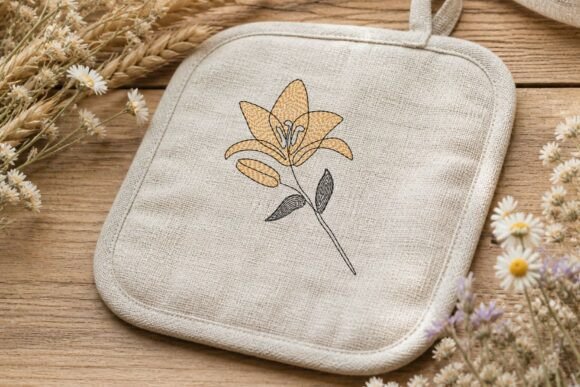
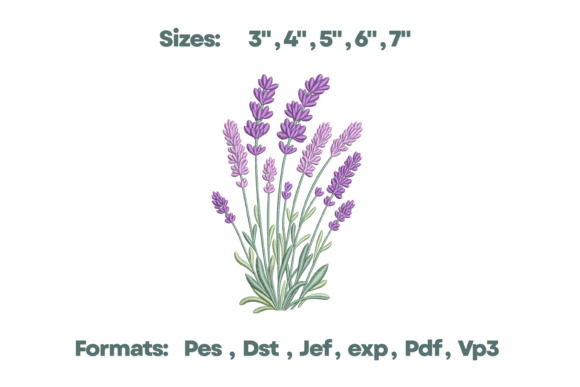
When you first look at the Lavender Garden Sprig Embroidery, the immediate feeling is one of calm elegance. The description promises a "calming essence," and the visual translation is spot-on. It feels distinctly farmhouse yet retains a touch of modern sophistication. Unlike bold, graphic designs that scream for attention, this single flower motif whispers. It evokes memories of summer gardens, herbal teas, and slow living. For a booth display, this softness is a strategic advantage; it invites customers to lean in closer to inspect the detail rather than being overwhelmed by it.
The arrangement of the blooms suggests a natural, slightly wild growth pattern rather than a rigid, geometric layout. This organic feel makes it incredibly versatile. It works seamlessly with rustic burlap, crisp white cotton, and even dark denim. If you are an Etsy seller looking to curate a cohesive brand, this design offers the kind of versatility that allows you to maintain a consistent visual identity across different product lines without looking repetitive.
Product Potential: Where It Shines
In my experience testing various machine embroidery design files for craft fair products, certain motifs perform better on specific items. The Lavender Garden Sprig Embroidery excels as a focal point or a refined accent depending on how you scale it. Here is where I see the highest return on investment for your time:
- Tote Bag Design: Placing this sprig on a canvas tote bag creates an instant classic. It is large enough to be seen from across the aisle but small enough to remain elegant. Customers love functional art, and a lavender-themed bag appeals to gardeners, tea lovers, and anyone seeking a calming accessory.
- Apron Embroidery: For kitchen-focused markets, this design transforms a standard apron into a premium gift item. The vertical nature of a sprig works beautifully centered on the bib of an apron, creating a professional look that elevates the perceived value of the garment.
- Tea Towel Embroidery: Nothing says "handmade" like a high-quality tea towel. The Lavender Garden Sprig Embroidery fits perfectly within the borders of a standard flour sack towel. When stitched in coordinating thread colors, it becomes a centerpiece for any kitchen display table.
- Embroidered Patch: With some backing added, this design translates exceptionally well as an iron-on patch. You can sell these individually or attach them to hats and denim jackets, expanding your inventory into wearable accessories.
- Fabric Pouches and Pillow Covers: For smaller items, this motif adds a sophisticated touch without overwhelming the fabric. It is ideal for small pouches sold as gift sets or as decorative accents on pillow covers for home decor sections.
Production Practicality and Sales Strategy
From a production standpoint, the success of any digital embroidery file relies on clarity and repeatability. The Lavender Garden Sprig Embroidery appears to have a balanced stitch density that should render clearly on most fabrics. However, for a commercial embroidery business, consistency is key. Does the design photograph well? Yes. The contrast between the blooms and the background will translate effectively in online listings, making it a strong candidate for printable mockups used in Etsy listings.
When setting up your booth, consider how this design functions as a craft fair product. Because it is a single flower arrangement, it does not require massive hoop sizes, which means you can produce items faster during peak hours. This efficiency allows you to create batch quantities of identical items, ensuring that if a customer falls in love with a specific tote bag, you have multiple units ready to go. It also allows for creative variations; you could offer the same design in different thread colorways (e.g., purple on cream, white on navy) to give buyers choices without changing the core design assets.
Critical Considerations for Quality Control
While the design looks promising, there are technical nuances every embroidery designer must respect before mass production. Not all designs are created equal, and skipping these checks can lead to costly mistakes.
Dense Stitch Areas and Tiny Details: Examine the centers of the lavender blooms closely. If the stitch density is too high, the fabric may pucker, especially on thinner materials like linen or light cotton. Conversely, if the details are too fine, they might get lost when stitched on textured towels or thick fleece. Always test the design on scrap fabric first to ensure the tiny petals hold their shape.
Fabric Texture and Color: The visual impact of Lavender Garden Sprig Embroidery depends heavily on thread contrast. On a dark fabric, light threads pop, but on a light fabric, you need darker or metallic threads to make the design visible. Be wary of highly textured fabrics like heavy terry cloth, as the needle may struggle to penetrate evenly, causing the design to shift or look uneven.
Hoop Size and Curved Surfaces: Ensure the design fits within your standard hoop sizes for the intended products. If you plan to embroider on caps, remember that curved surfaces can distort straight lines. You may need to adjust the digitization or use a specialized cap frame to keep the sprig looking natural rather than stretched.
Designer Notes for Success
To turn this embroidery file into a best-selling small shop product, follow these essential steps. First, always check the thread count and recommended stabilizer type before starting a run. Using the wrong stabilizer can ruin the drape of a tote bag design or cause puckering on a tea towel embroidery project.
Create at least one real-world mockup before listing the item online. A photo of the finished product on actual fabric builds more trust than a digital rendering. Inspect the final stitch density to ensure there are no gaps in the coverage. Furthermore, confirm your commercial licensing terms. Just because you own the digital embroidery file does not automatically grant you the right to sell unlimited finished goods unless specified in the license agreement.
Finally, compare different fabric colors side-by-side. Sometimes a shade of lavender looks muddy against a specific blue, while it shines against a soft grey. Taking the time to perfect these details ensures that your finished product reflects the high quality that craft fair attendees expect.
By carefully evaluating the Lavender Garden Sprig Embroidery through the lens of production and sales, you can transform a simple floral pattern into a cornerstone of your handmade collection. It offers the perfect blend of aesthetic charm and practical utility, making it a smart choice for any creative entrepreneur looking to expand their inventory with confidence.